Arb Centennial
Brand Identity | Environmental GraphicsEnhanced environmental design project to help celebrate the 100th anniversary of Carleton College's Cowling Arboretum in 2026–2027.
Scope & Deliverables
Graphic identity that complements the College's parent brand, wayfinding signage, and a series of place-based engagement installations that engage and educate visitors to the Arb.
Design Challenges
Keep the main focus on the beauty of the Arb itself, align efforts with the College's brand, and consider the longevity and materiality of installations from a sustainability perspective.
Context
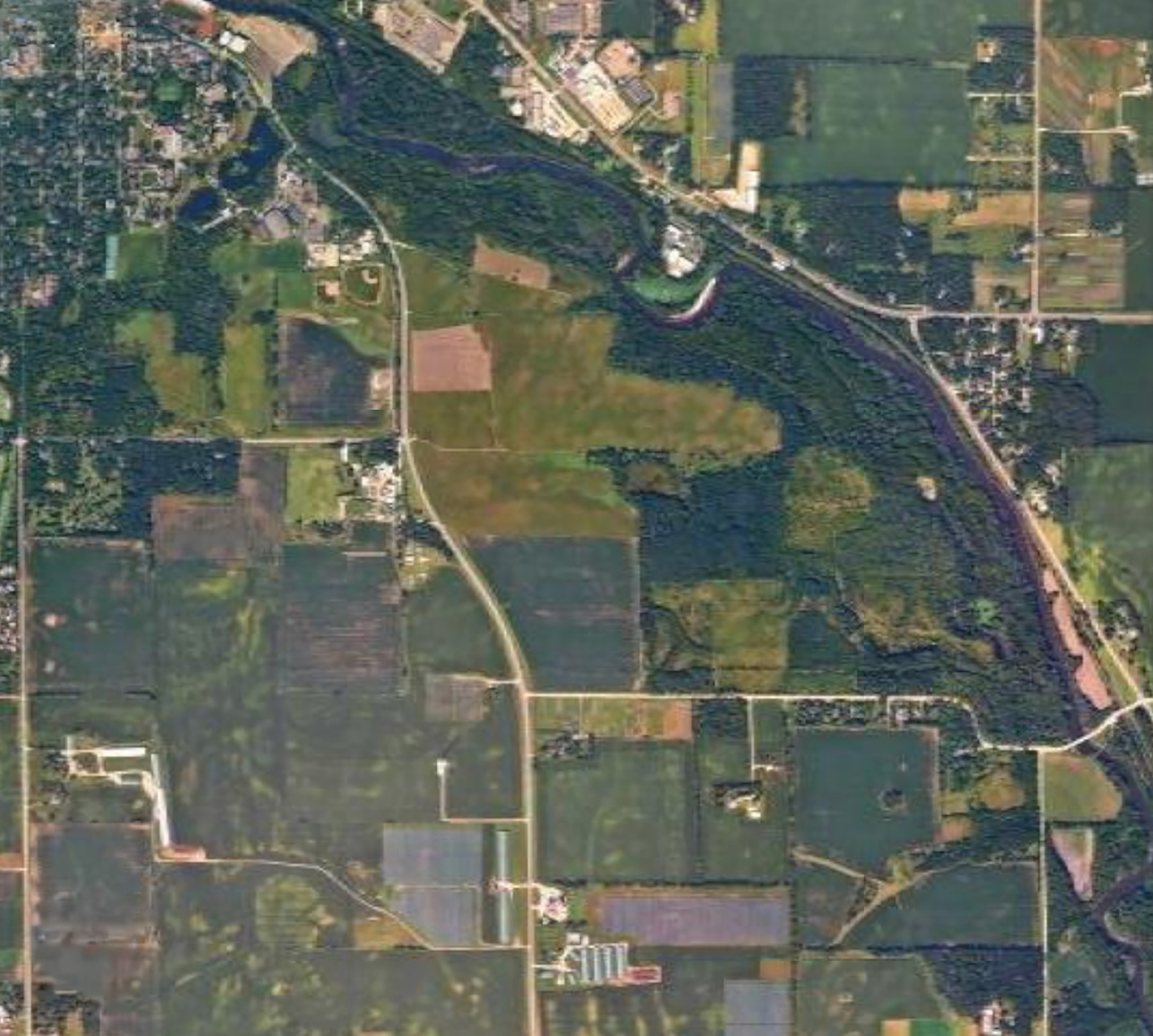
Carleton College stewards an 800-acre arboretum — “the Arb” — directly adjacent to its campus in Northfield, Minnesota. The Arb is located on a natural border between prairie and forest habitat, partly on the floodplain of the Cannon River. It is free and open to the public.
Why It Matters
The Arb is beloved by many: Northfielders, birders, cross-country skiers, generations of Carleton students and staff, fisherpeople, and countless visitors. It’s both a classroom and a respite. Personally, the Arb is a second home and a big reason I live in this place.
Why Now
In the 2026–2027 academic year, the Arb will celebrate its 100th birthday. The goal of these installations is to celebrate this place by inviting visitors to engage with it and learn more about the restoration work happening within the Arb.
Inspiration & Design Parameters
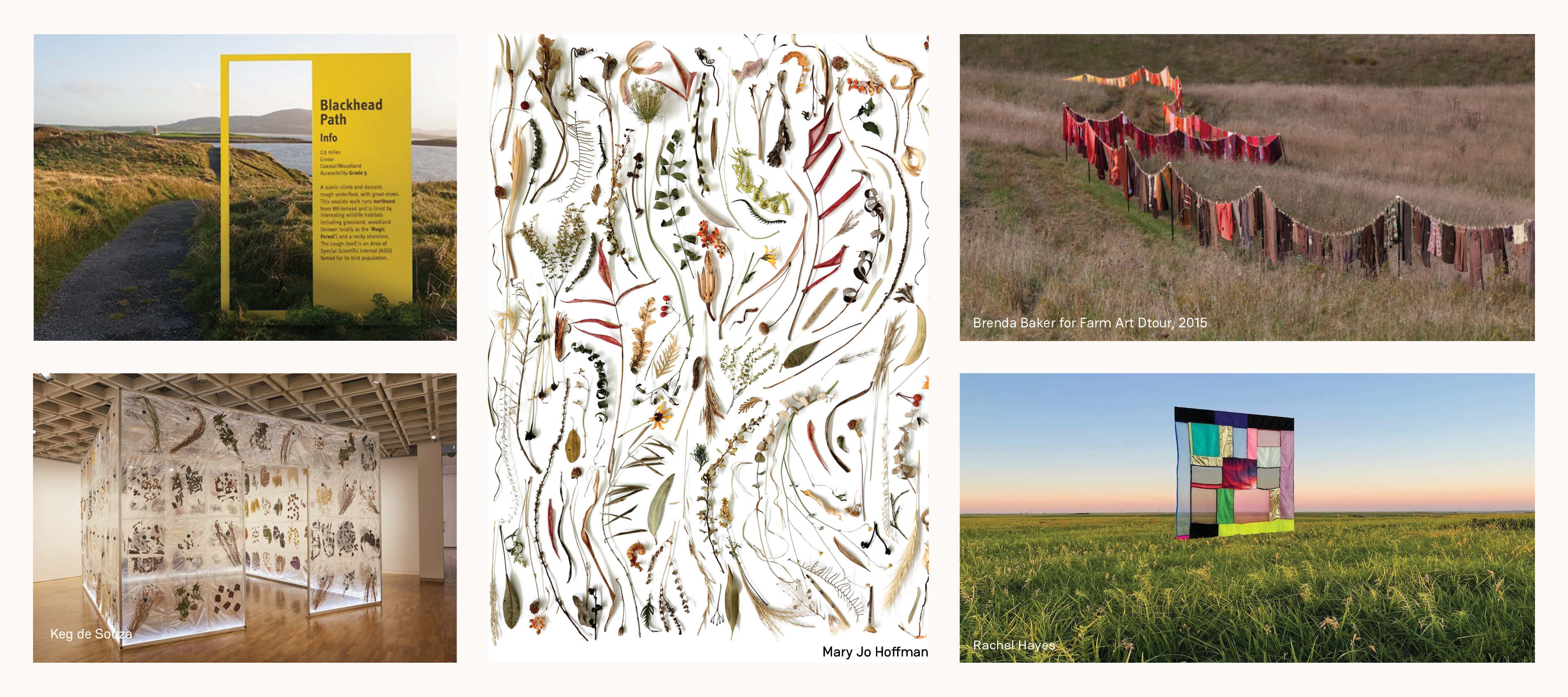
- The beauty of the landscape should always be the focal point, merely enhanced by signage and installations.
- When possible, educate visitors about the importance of this space and how it is a model living classroom.
- Find opportunities to get people to view a familiar space with new appreciation, in collaboration with artists, educators, and environmentalists.
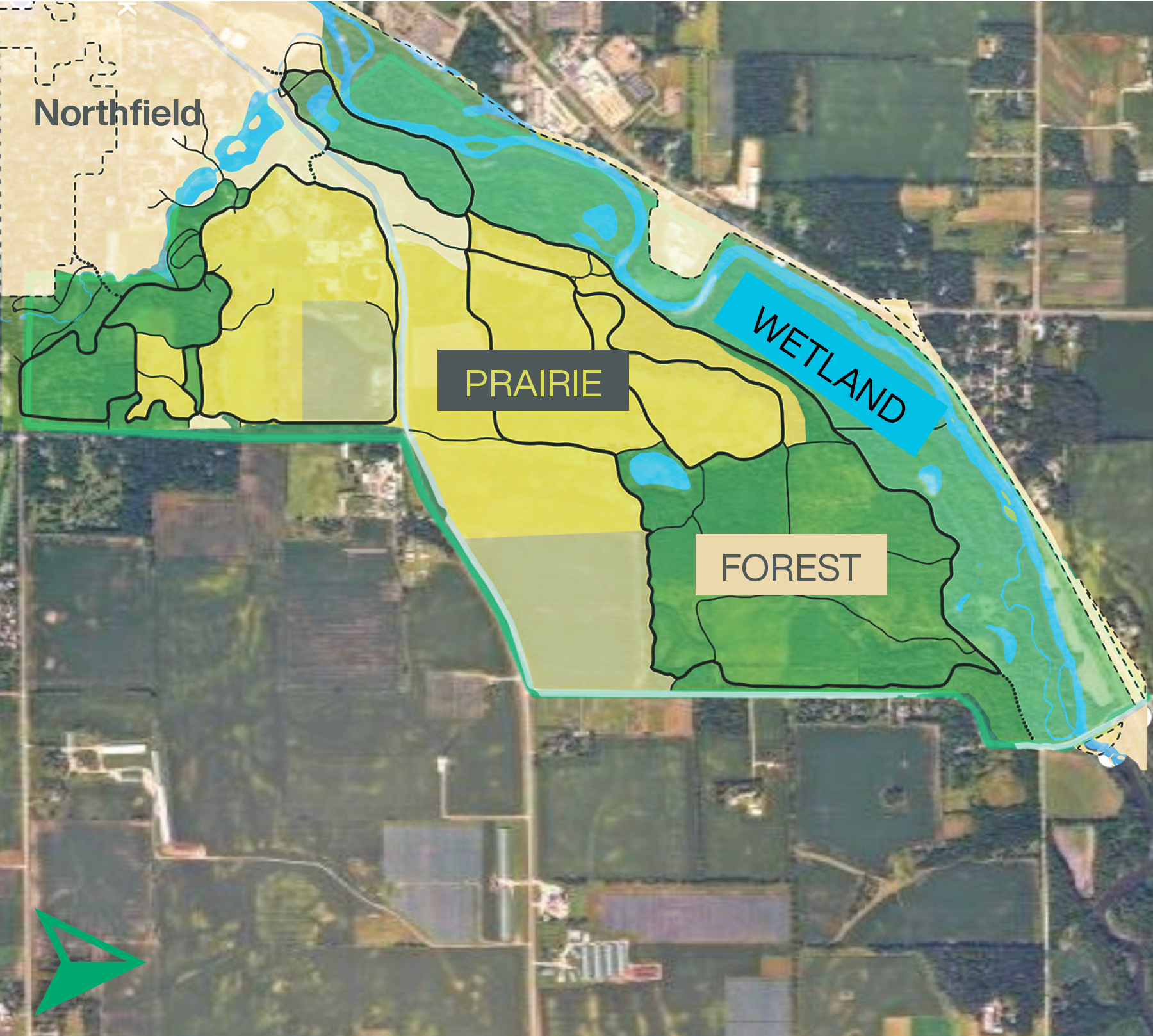
Site Overview: Carleton College | Northfield, MN
The Arb is adjacent to Carleton’s campus on the northeast side of Northfield. It contains wetland (adjacent to the Cannon River), prairie, and forests.
Land History
Carleton’s campus is on the ancestral homelands of the Wahpekute and Mdewakanton bands of the Dakota Nation. While there is no evidence of permanent Dakota dwellings in Northfield or the Arb, it was an important hunting and fishing pathway for the nomadic Wahpekute band.
Event Visual Identity
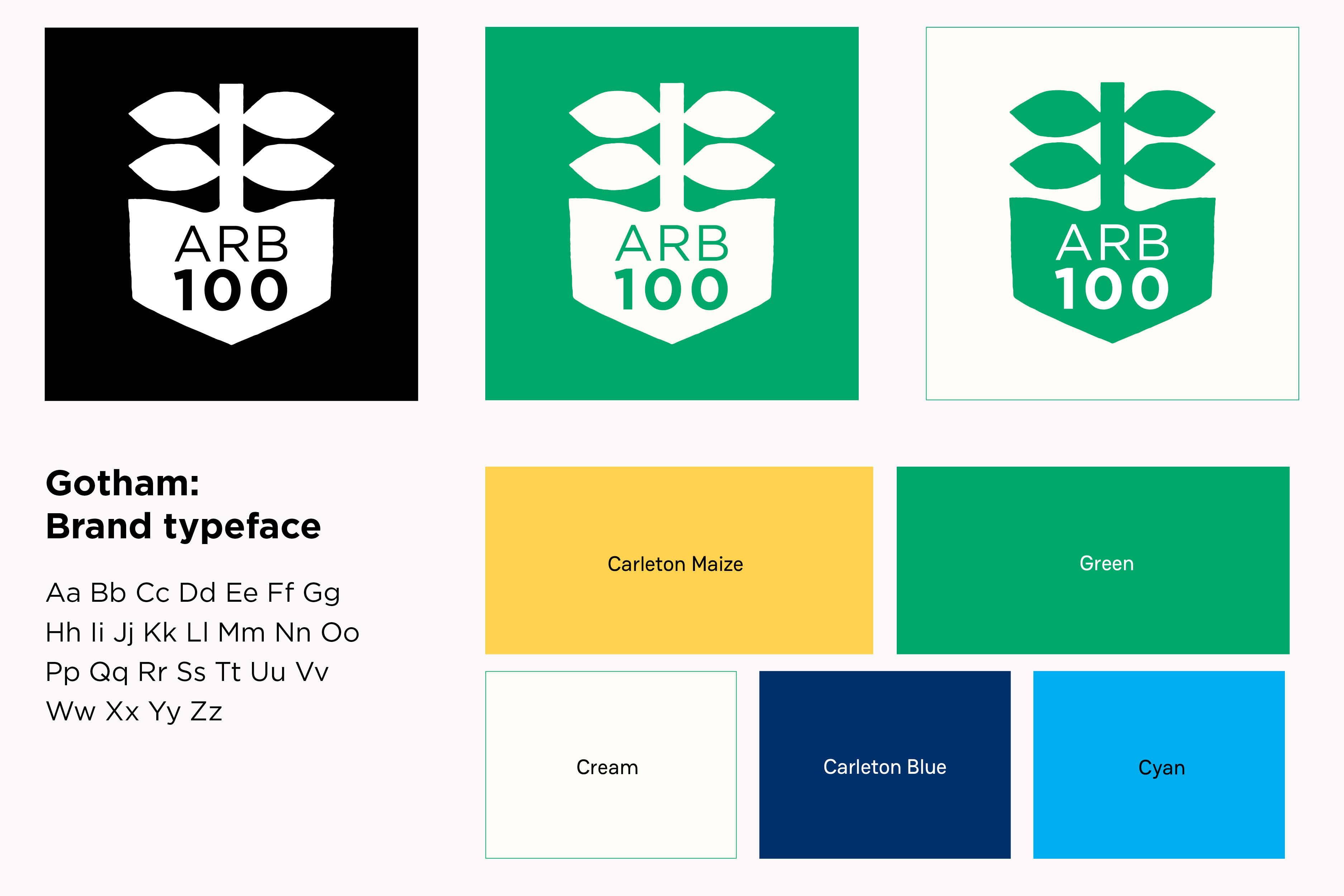
Logo: Apply type to an icon developed for Carleton’s Sustainable Futures initiative by Cody Hudson of Struggle, Inc.
Alignment With Carleton's Parent Brand
The logo and assets uses Carleton’s primary sans serif typeface — Gotham — as well as one of its primary colors (maize) and a secondary palette color (green). It also pulls from Carleton’s neutral palette.
Engagement Stops Signage
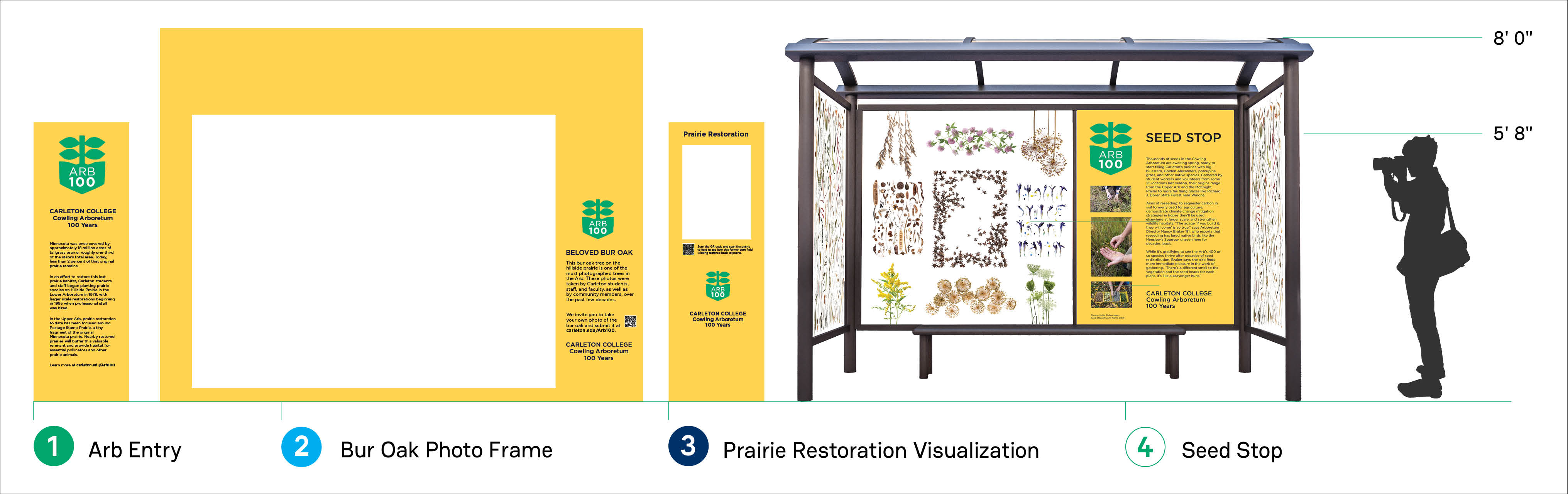
There will be four engagement stops located in the Arb, each with a bold maize design.
Arb Entry: Positioned next to the tapestry entrance at the top prairie in the lower Arb.
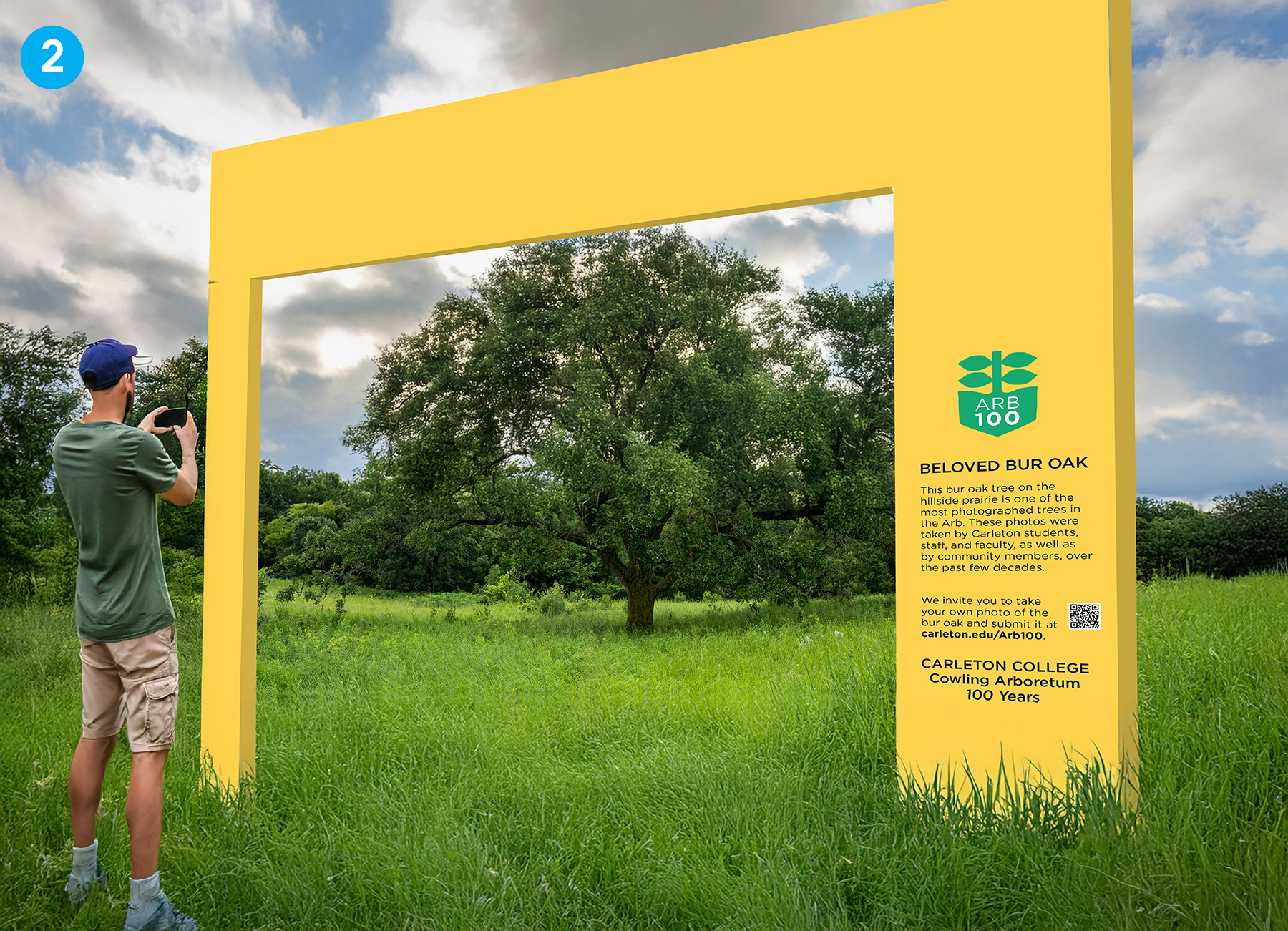
Bur Oak Photo Frame: Frames the most photographed tree in the Arb and encourages visitors to add their own photos.
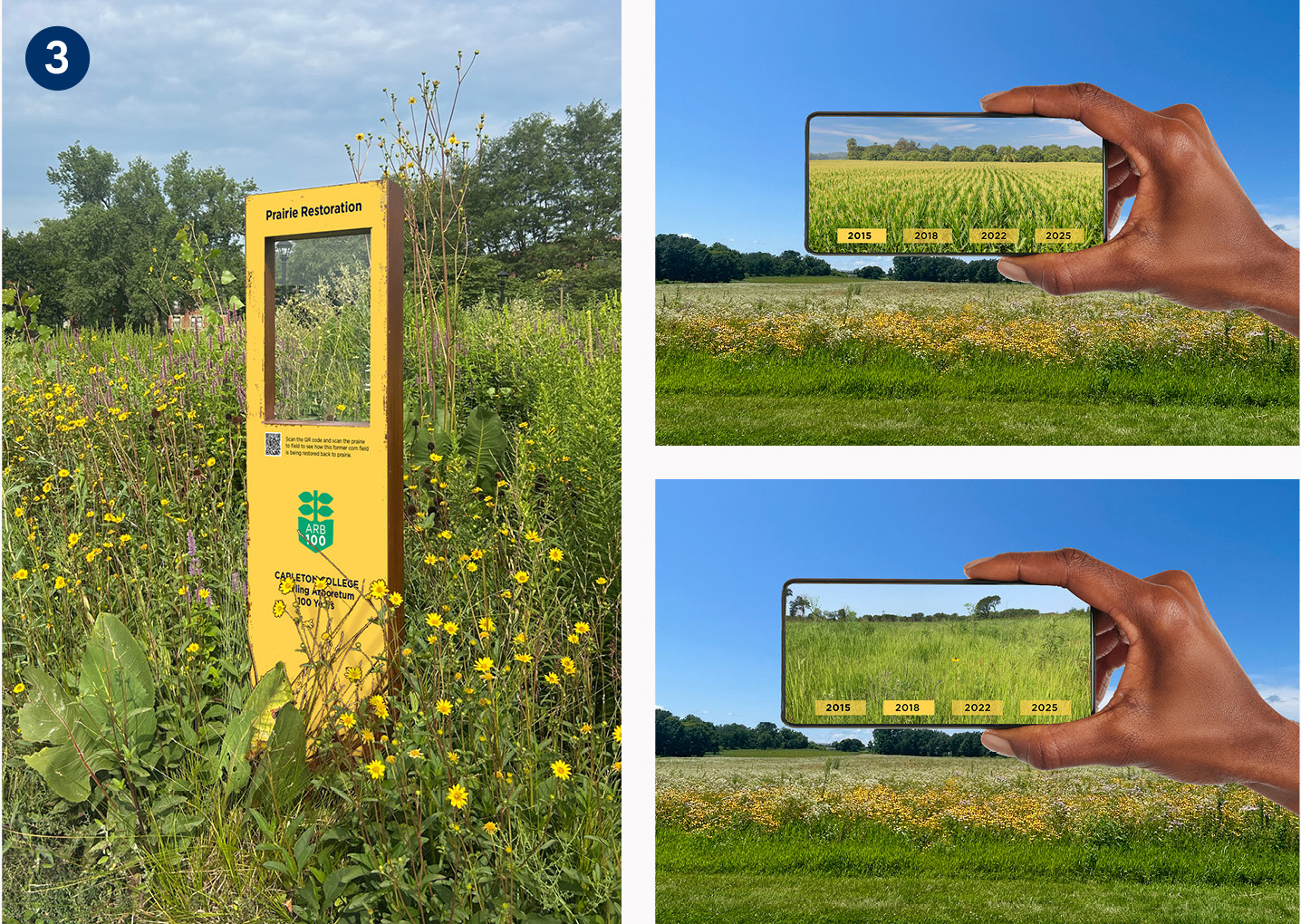
Prairie Restoration Visualization: The QR code opens an interactive rendering that shows how the prairie has been restored.
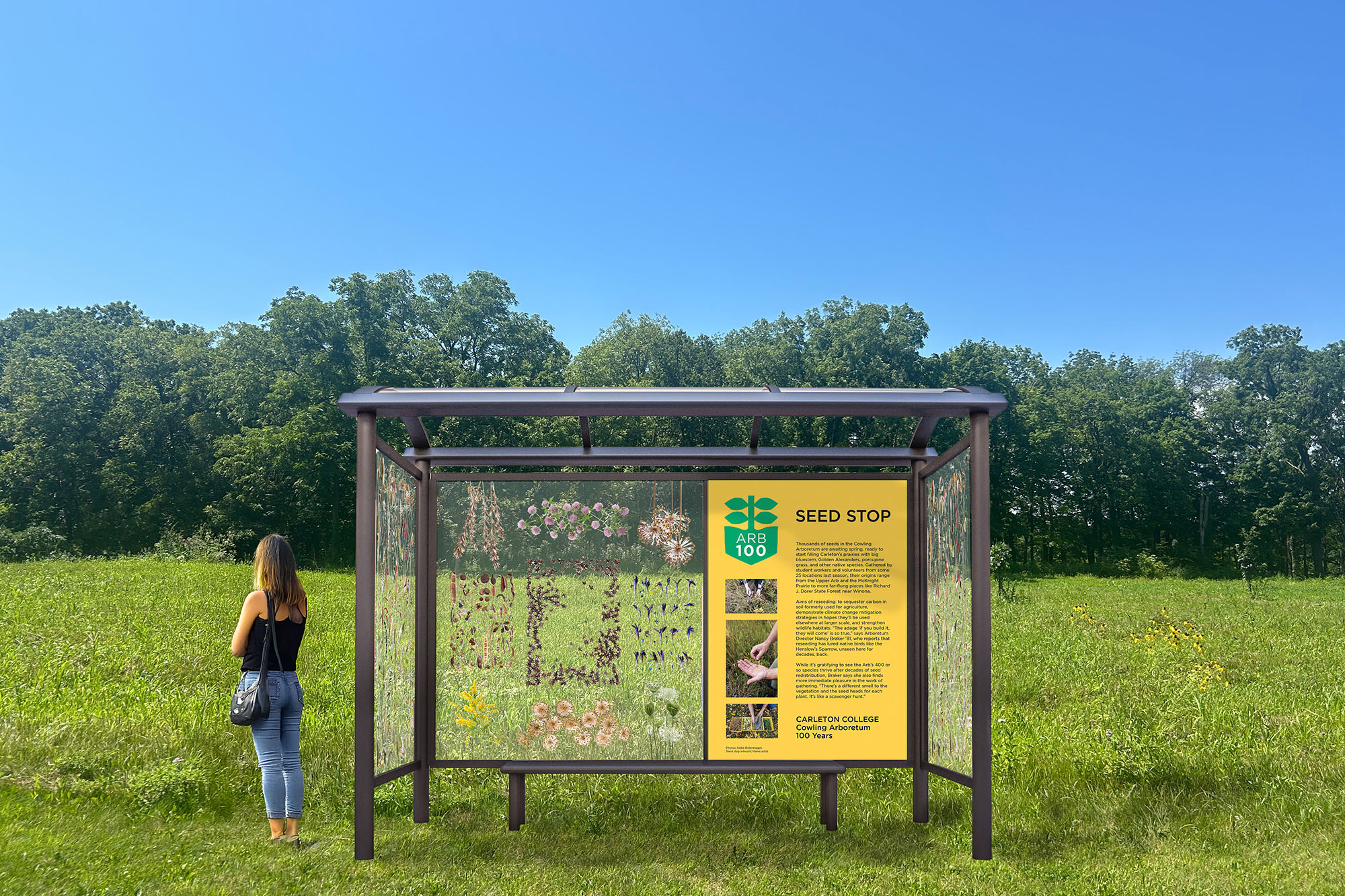
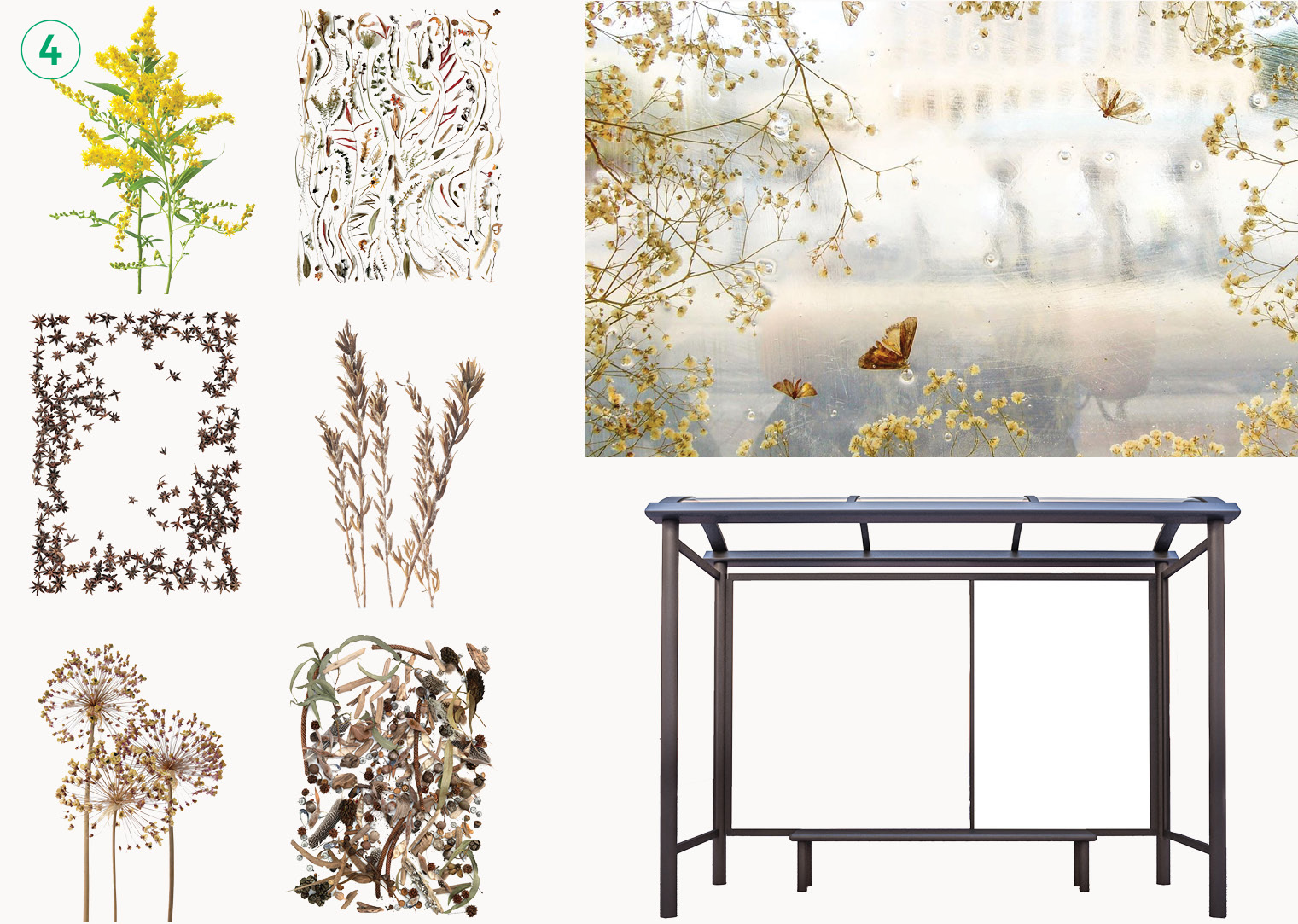
Seed Stop: This decorative "bus" stop features native prairie seeds and plants, captured in resin. It invites visitors to pause.
Wayfinding Signage
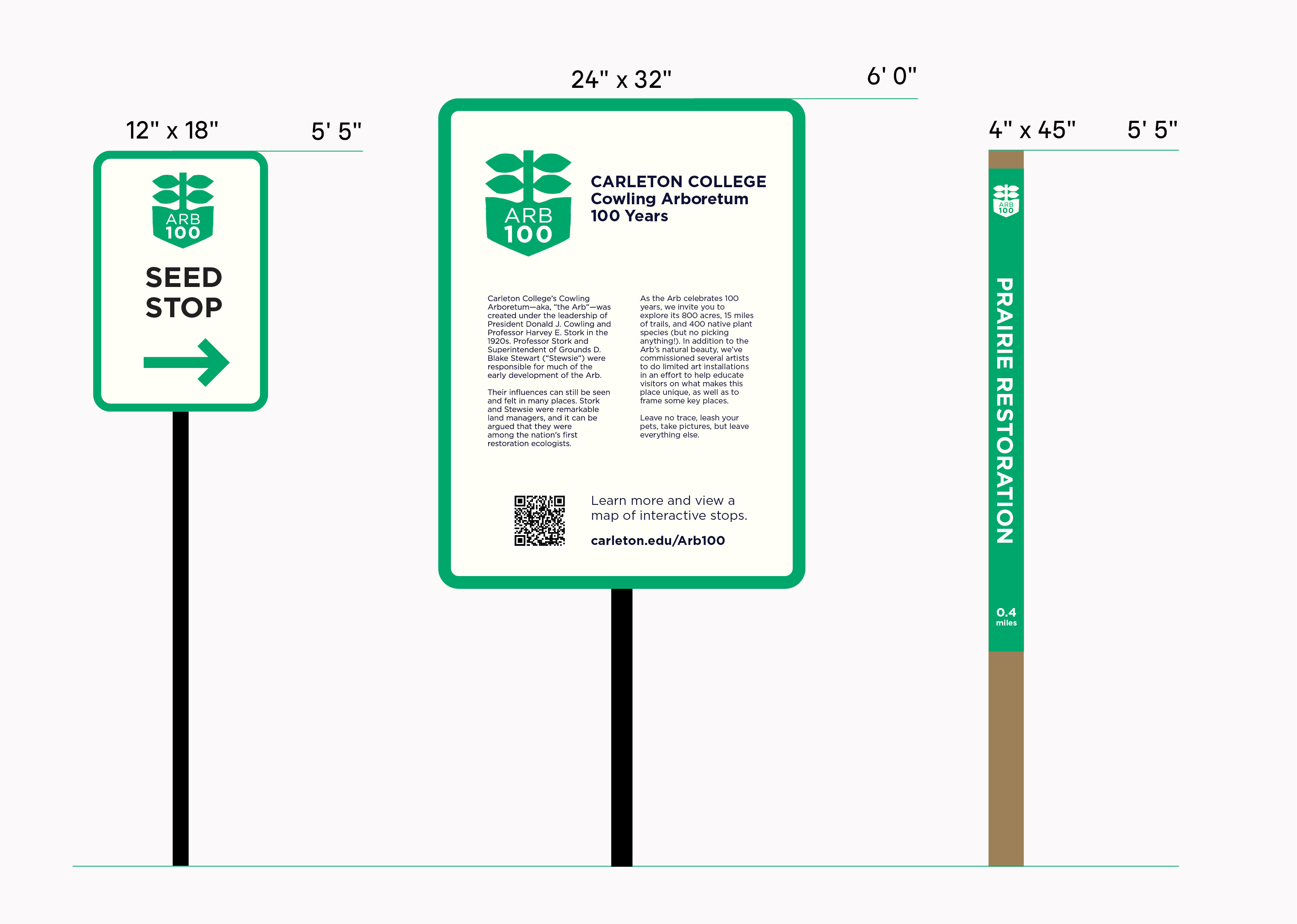
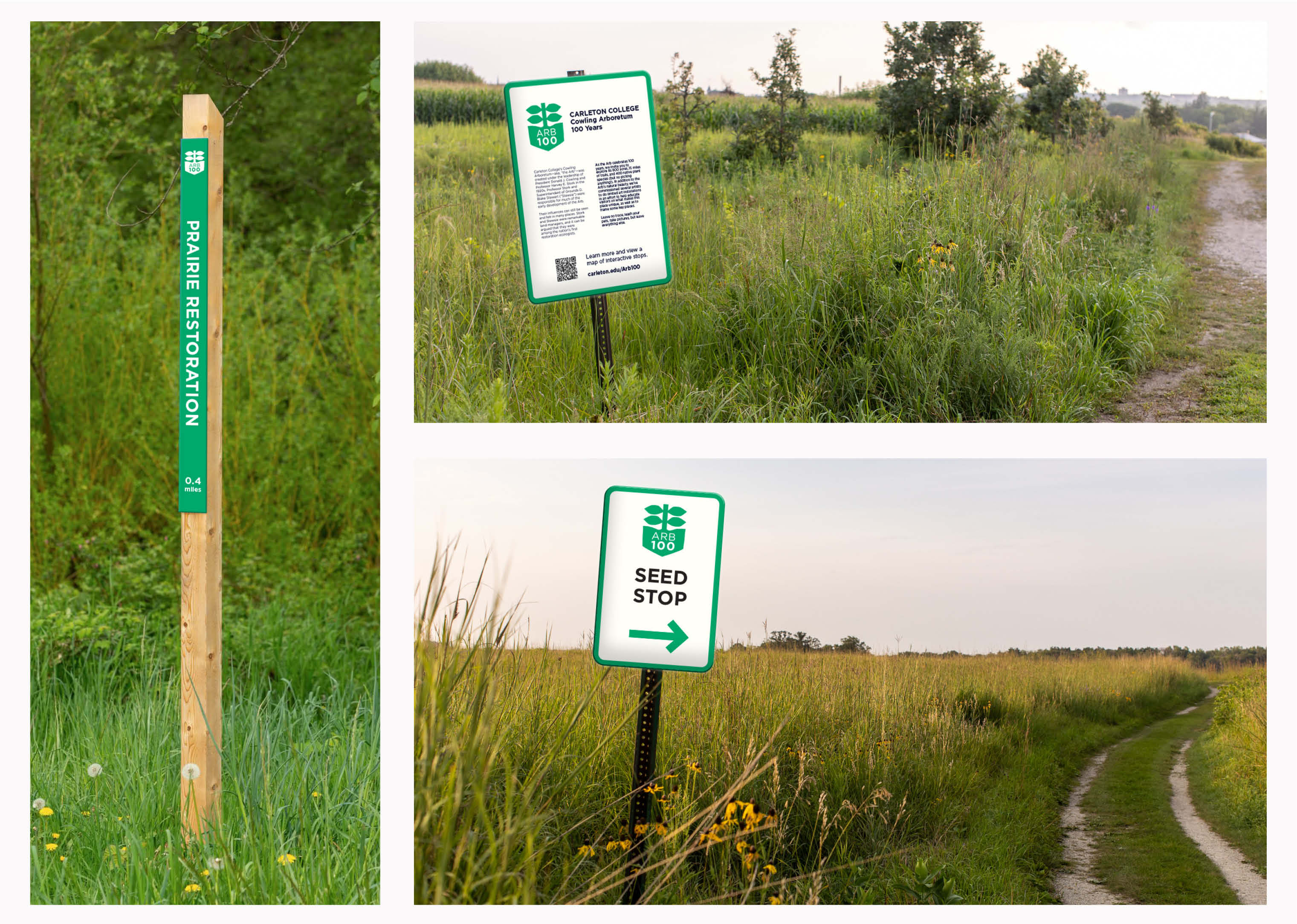
A series of wayfinding signs support the event branding and guide users to the interactive stops within the Arb.
Stop 1: Upper Arb Entrance
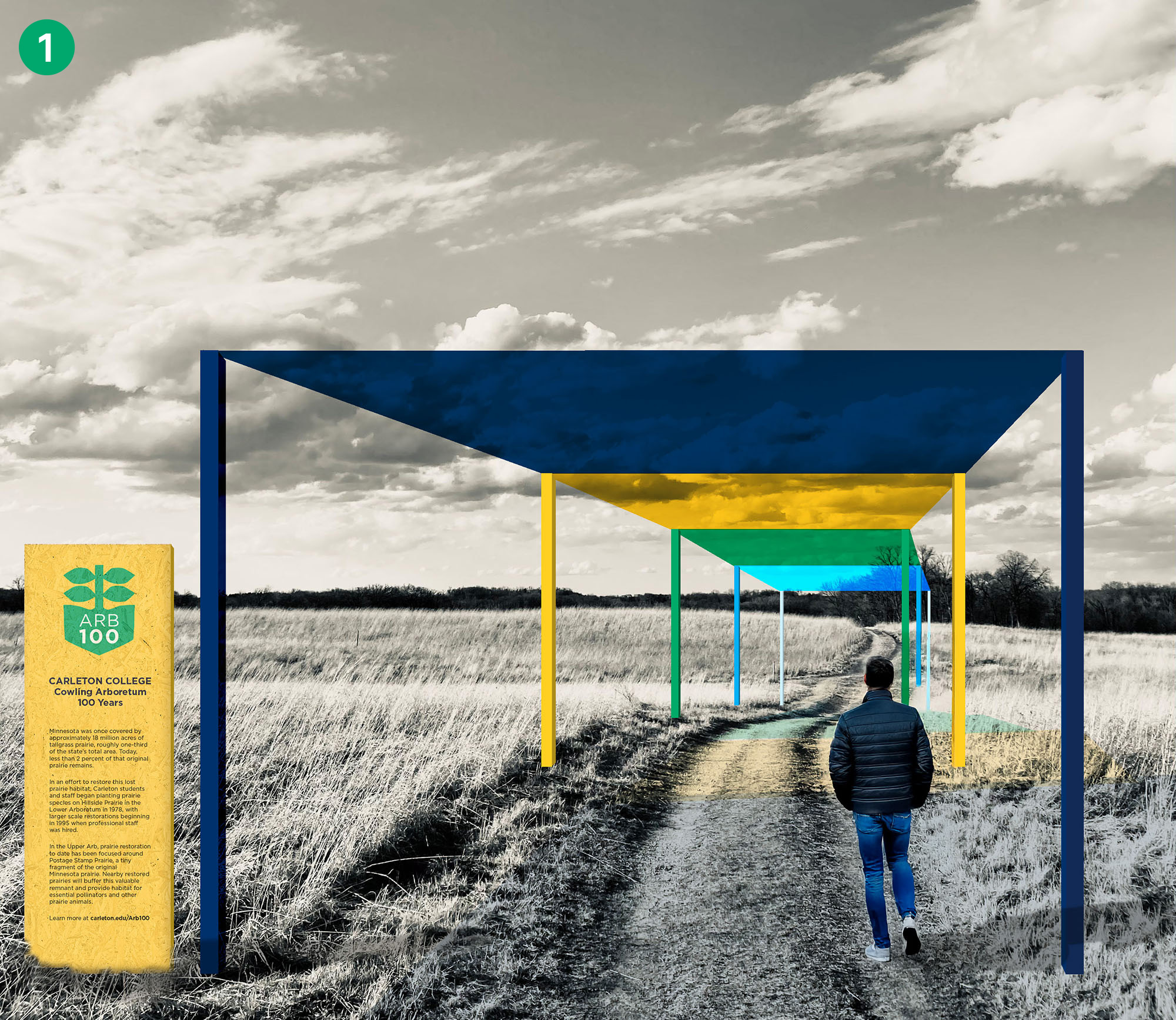
Artist: Commission Rachel Hayes for a tapestry entrance installation
Canopy materials: Upcycled fabrics (e.g., sheets left by students at the end of the year) dyed in Carleton brand colors, hung from painted wooden posts.
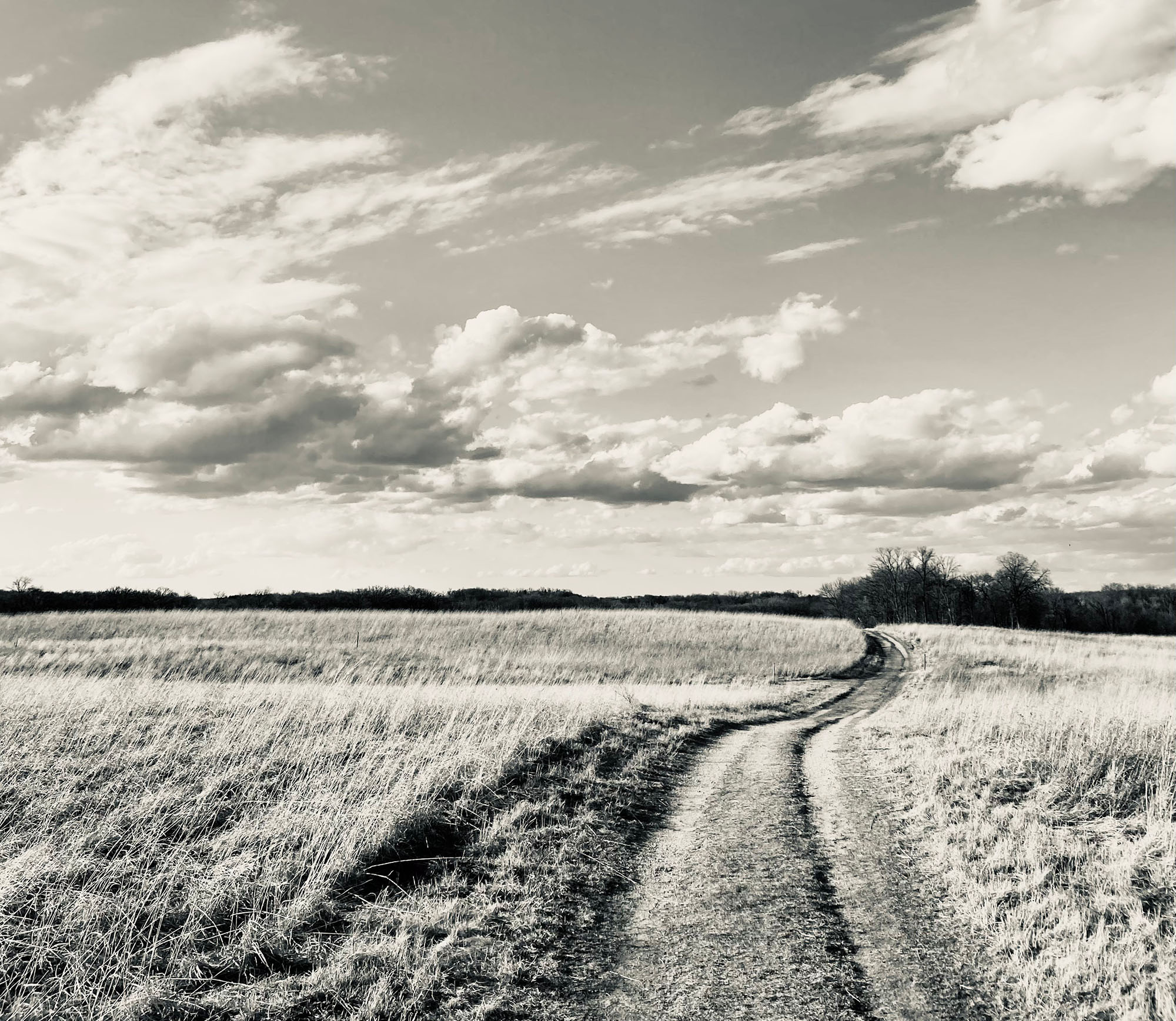
Stop 2: Photo Moment of Big Bur Oak
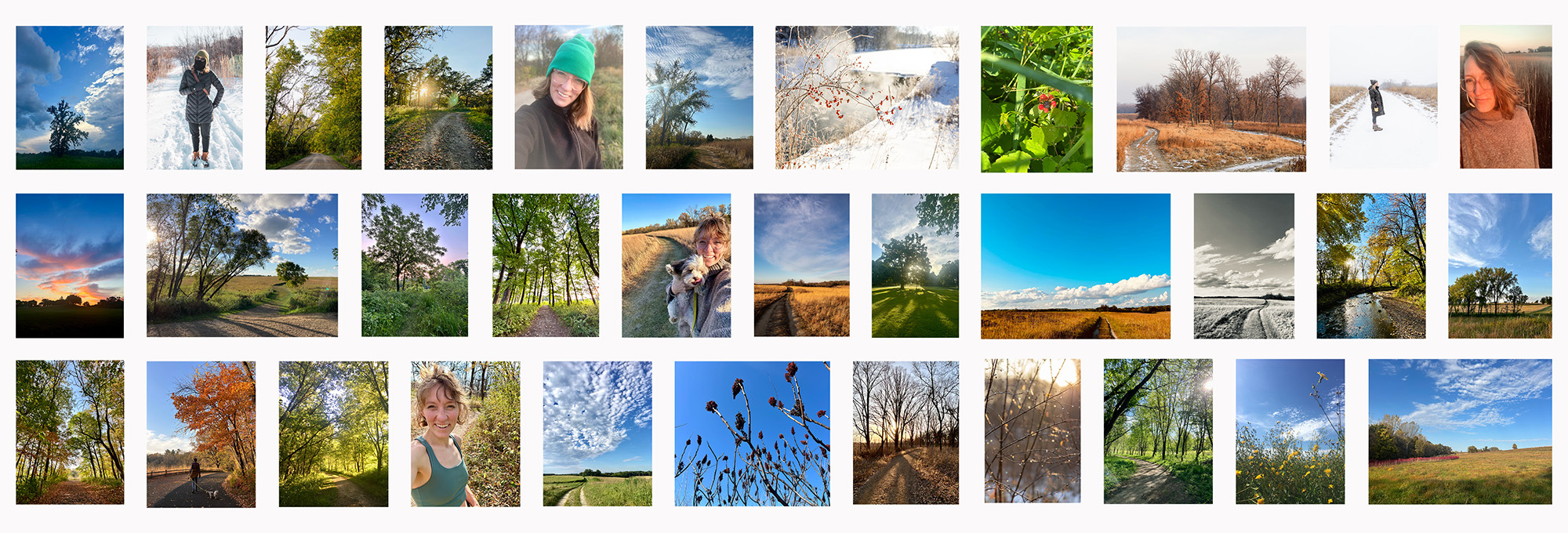
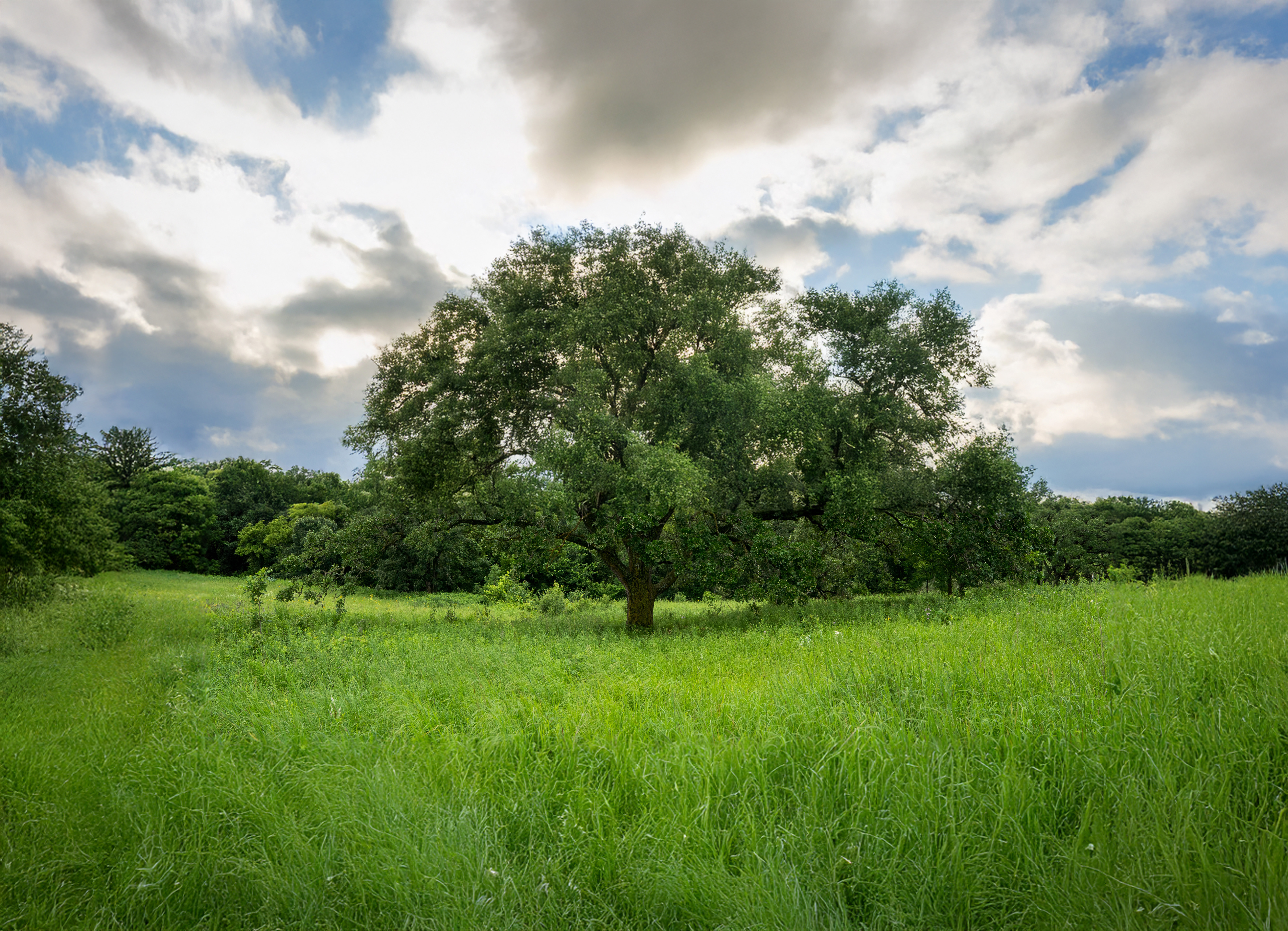
The bur oak tree on the hillside prairie is one of the most photographed trees in the Arboretum.
This stop encourages visitors to take and submit a photo, and see how others have photographed this tree over the years via the QR code link. The large frame sits at a distance from the tree to leave an unobstructed experience closer to the tree itself.
Stop 3: Prairie Restoration Educational Display
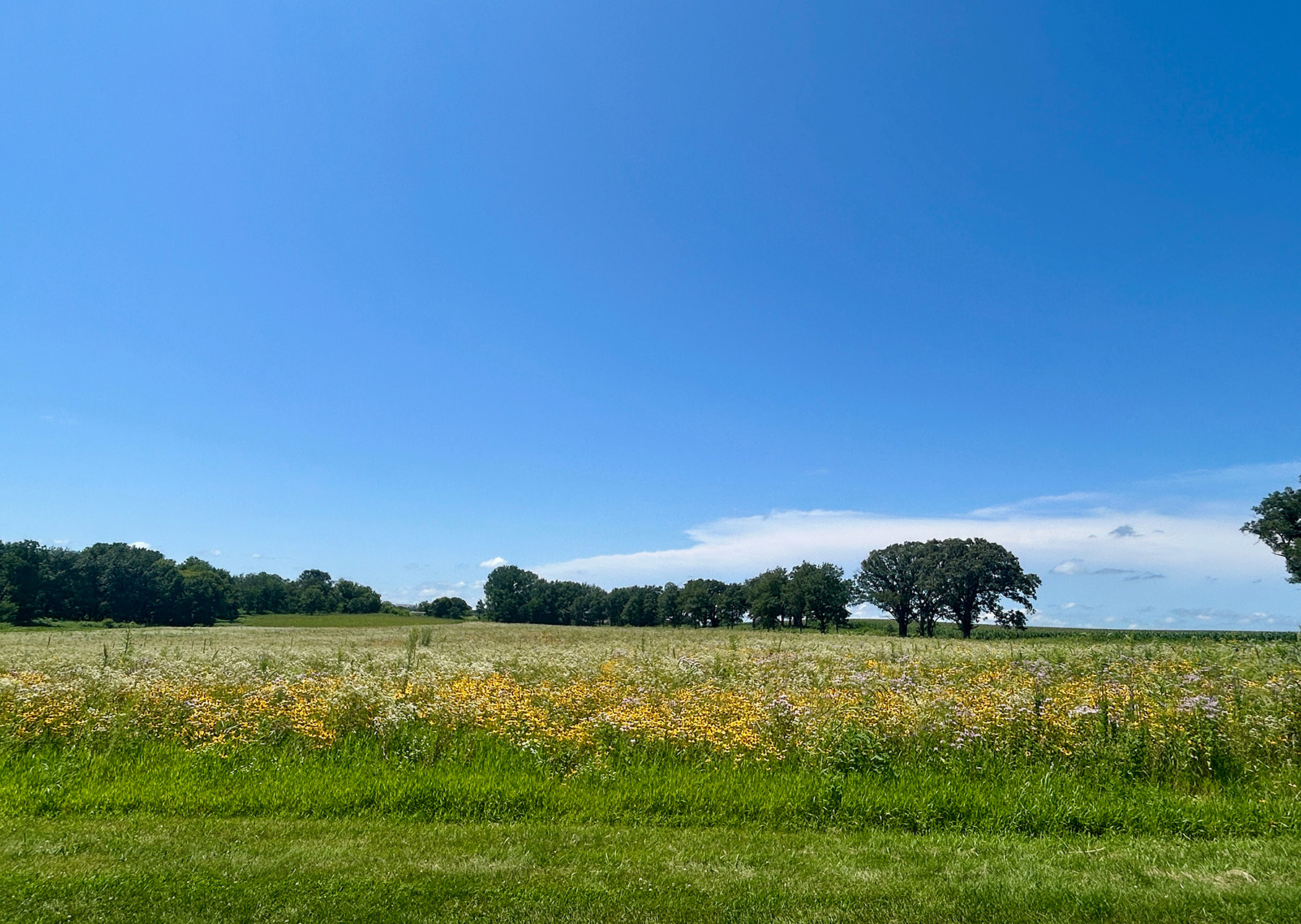
This stop shows the transformation of a monoculture corn field to a native prairie.
A stationary slab sign with a transparent frame will include a QR code where visitors can scan to get a virtual reality view of how the prairie has transformed from corn field to native plants over the past decade.
Stop 4: Seed Stop With Native Plants
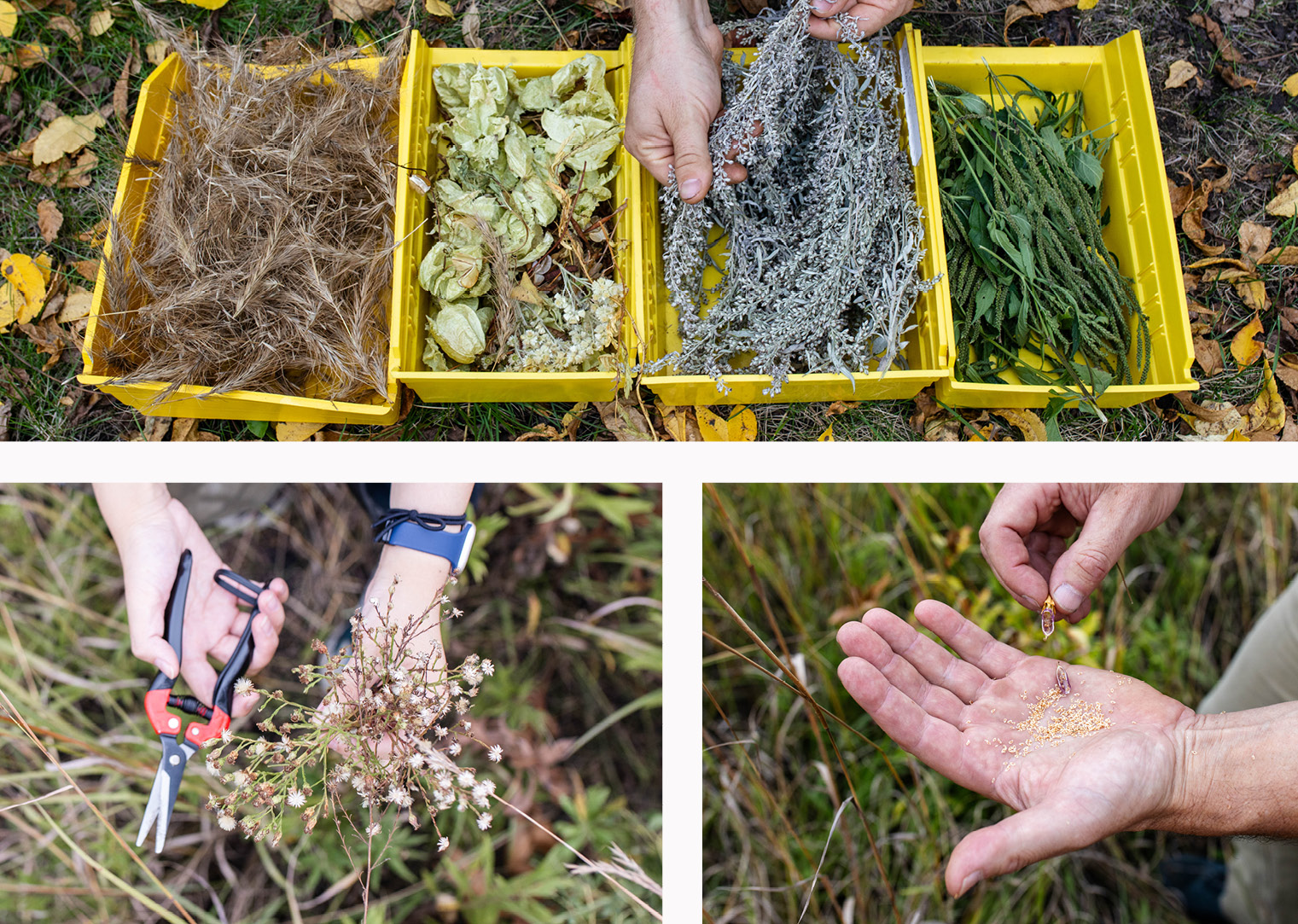
Carleton’s restored Arb prairies support approximately 80 different native prairie plant species. Community volunteers collect native seeds, which then repopulate a monoculture field.
Artist partner: Mary Jo Hoffman could lay out the collected seeds, which would then be set in resin and used to construct a seed stop from bus stop infrastructure.